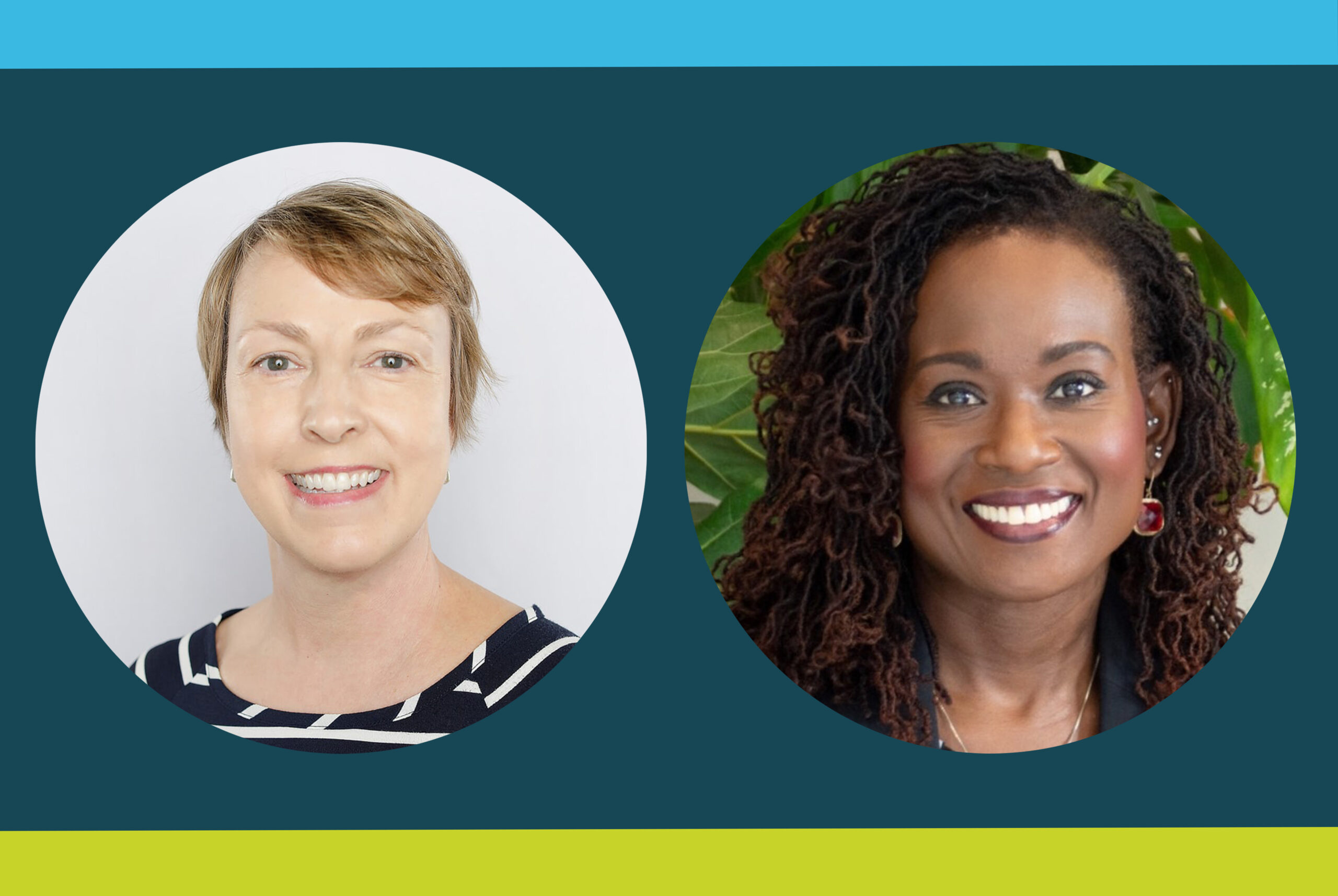
At the Children’s Services Fund (CSF), the program officer role is central to ensuring that the work being done in the community is meaningful, effective and sustainable. But what exactly does a program officer do? To shed light on this role, we sat down with the CSF Program Officers Katherine Rivard and Bernadette Spooner Thompson to talk about their day-to-day work, how they support community partners and the bigger picture of how their efforts impact kids across Jackson County.
Q: How would you describe the program officer role at the CSF to someone unfamiliar with your work?
Katherine: At a very basic level, we’re liaisons between the Fund and the community—especially the organizations that provide services to children and youth. There are a lot of other responsibilities under that umbrella, but that’s the heart of it.
Q: What are your responsibilities on a daily basis?
Bernadette: It honestly varies day to day. We might be doing a site visit, fielding a call or email about a program or staffing change or helping a partner navigate funding requirements. We also spend time researching additional opportunities to help partners expand their impact. What I do love about it is that no one day is the same.
Katherine: A big part of what we do is advising—helping potential and current partners understand how to apply, what areas we provide funding in, how to manage budgets and reporting and how to address challenges they may be facing. It’s a lot of connecting people to information.
Q: What drew each of you to this role and what backgrounds do you bring to your work at the CSF?
Bernadette: My background is an LPC [Licensed Professional Counselor]. So I served in schools providing direct counseling for individual therapy for kiddos, elementary age primarily, and for staff and for families. I came from the direct service side to the CSF. The role that the funder plays is so important in getting kids and families what they need.
Katherine: My background is in nonprofit management. I later went back to school and became a licensed master social worker. What attracted me to CSF was that it was a new funding source focused specifically on children’s mental health, which had always been a focus for me.
Q: How do program officers at the CSF build and maintain relationships with community partners?
Bernadette: Each of us manages a portfolio of funded partners, so relationship-building begins once funding is approved. But we also respond to inquiries from organizations that aren’t yet funded and guide them through the application process. Part of that relationship building is us being accessible to the partners when they need something. We also show up—we attend fundraisers and community events to show our investment in the entire organization, not just the program we’re funding. That personal connection is really important.
Q: How do you ensure funded programs align with the needs of Jackson County children and families?
Katherine: It starts with a thorough application and review process. We look at their proposal, conduct interviews, review finances and evaluate outcomes. We want to understand the organization and the impact they hope to make.
Q: Can you share a story that highlights the impact of CSF’s funding?
Katherine: Early in the pandemic, partners were struggling to pivot to virtual delivery of services. Many couldn’t reach students in schools, and they were worried about laying off staff. So we released funding upfront and created a special grant for technology and equipment. That made a huge difference in keeping services going.
Bernadette: We have had a number of different agencies that have aspirational goals when they first receive funding. So it has been fun over a period of six or seven years watching what agencies are able to do and how we’re able to fund their aspirational dreams of how to help kids.
Q: What makes the CSF program officer team unique?
Katherine: We all come from different backgrounds—clinical, nonprofit, funding—and that diversity makes us stronger.
Bernadette: And we’re all Kansas City natives, which means we’re deeply invested in this work and this community. What makes us stronger is that we all have very unique skill sets, there’s no real duplication in our experiences and we are all from different backgrounds with a commonality of serving children.
Q: What are you most excited about in the CSF’s future work?
Bernadette: More work with families!
Katherine: We recently completed a Children’s Services Assessment that identified a need for more impact that wrap around both children and caregivers. We’re excited to build strategies that address that. We’re also looking at how to make a countywide impact. Jackson County is big and we’re thinking about how to strategically reach all of the corners.
Q: What do you wish more people knew about the CSF and your role?
Bernadette: We have a unique view of the field. We get to see over 140 programs in action and that helps us spot opportunities for collaboration and connection that others might miss. Also, we are truly accessible. We’re not an invitation-only fund. We’re not a we’ll call you, don’t call us fund. We are truly accessible to current partners and those who are even willing to be partners. We are open to having conversations with truly anyone.
Thank You, Katherine and Bernadette
The program officers at the CSF are more than administrators—they’re trusted advisors, connectors, advocates and champions for children’s mental health in Jackson County. Their work ensures that funding goes where it’s needed most and that the programs they support have the tools to succeed.
To learn more about the Children’s Services Fund and the people behind it, visit our Homepage or meet the rest of the team on our Staff Page.
Let’s continue to recognize and support the critical work happening every day to improve mental health for kids in our community.